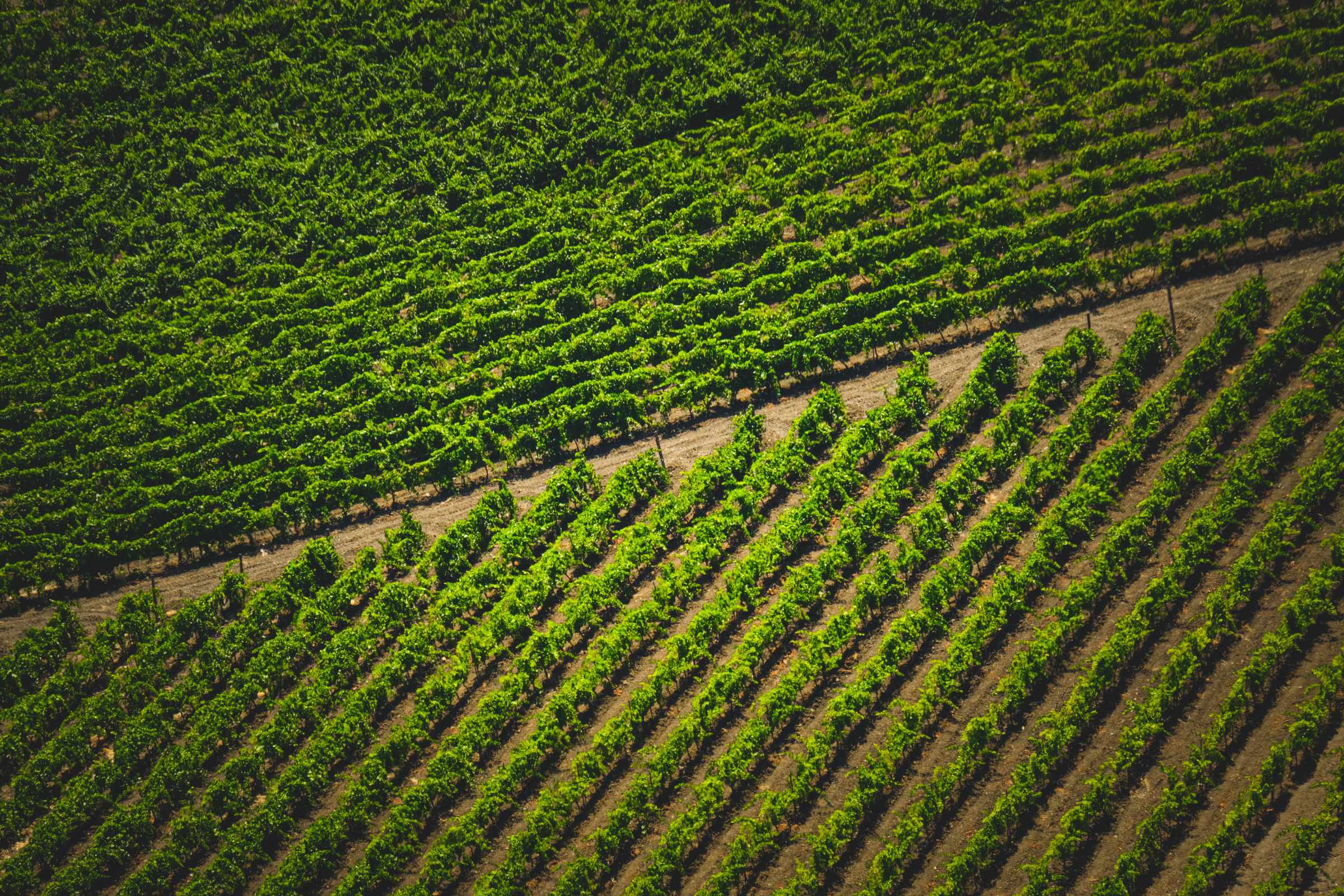
Stress Detection & Early Warning
Flags plant stress before it is visible in the canopy.

AI Agronomy Agents
Syntheflora reads 55+ channels of live plant physiology and gives growers specialized AI agents for stress, water, nutrition, energy, disease risk, trials, reporting, and decision support.
A soil probe tells you whether the ground is wet. A weather station tells you the conditions above the crop. A satellite tells you how the canopy looks from above. These signals are useful, but they are proxies. They describe the environment around the plant, or symptoms that appear after the plant has already responded.
Syntheflora measures the plant itself: water movement through phloem and xylem, tissue impedance changes before visible stress, sap flow, biopotentials, biomass growth, chlorophyll and flavonoid signals, root-zone dynamics, and the environmental context around every measurement.
The difference is not a marginal improvement in precision. It is a different source of truth.
Give the crop agents that can work from what the plant is actually doing.
The AI agronomy team
Syntheflora does not ask growers to read raw plant physiology. Cortex turns live plant signals into a team of specialized agents that help with real crop decisions.
The grower stays in control. The agents work inside agreed limits.
Flags plant stress before it is visible in the canopy.
Helps adjust irrigation from plant response, not schedules alone.
Connects EC, nutrient, uptake, and stress signals to input decisions.
Aligns lighting, CO₂, HVAC, and climate energy with plant activity.
Flags unusual plant-state patterns for scouting or lab confirmation.
Compares varieties, treatments, biologicals, and crop-input strategies.
Tests controlled variants by zone and learns from plant response.
Prioritizes the alerts that deserve attention.
Explains what happened, why it matters, and what to do next.
Turns plant and environmental records into usable reports.
Supports water stewardship and sustainability documentation.
Published foundation
In published CYBRES research, biofeedback-based phytoactuation allowed plants to influence light and irrigation through their own physiological signals. Microgreen production cycles shortened from 7 days to 4–5 days. Wheatgrass shortened from 10 days to 7–8 days. Pea biomass increased by 30% with biofeedback-based irrigation. Energy optimization reached 25–30% compared with a non-optimized 16:8 lighting schedule.
These results matter because they show the central principle behind Syntheflora: the plant's internal state can become the control signal for the growing environment.
Kernbach, S. "Biofeedback-Based Closed-Loop Phytoactuation in Vertical Farming and Controlled-Environment Agriculture." Biomimetics 2024, 9, 640. doi:10.3390/biomimetics9100640
Read the discoveries →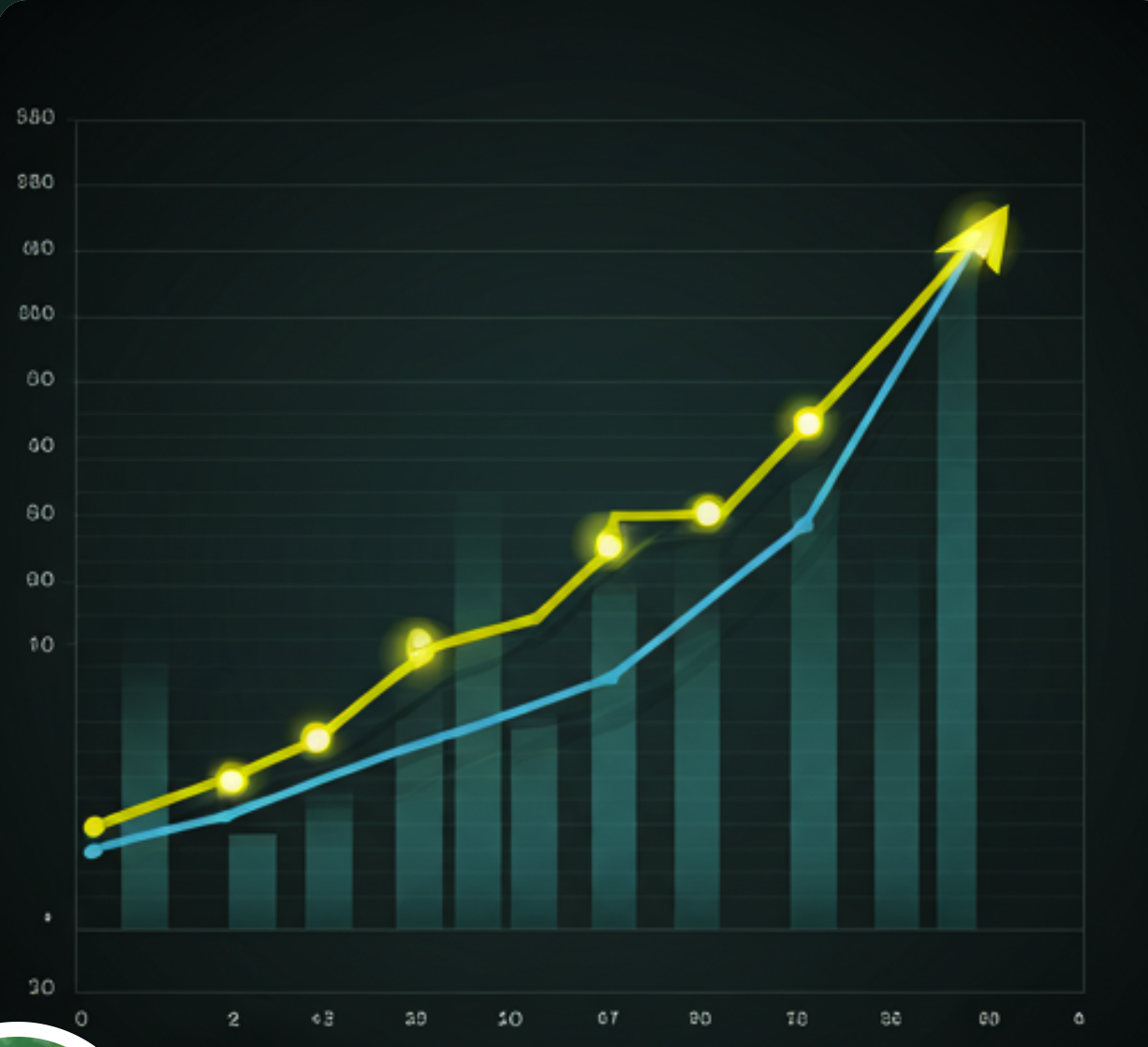
Six problem types. One instrument. AI agents built from the plant's own response.
Detect water, heat, salinity, light, nutrient, and pathogen-related stress through physiological change before visible symptoms appear.
See results →Optimize irrigation, deficit irrigation, fertigation, EC, and nutrient timing from live plant demand rather than static schedules or recipes alone.
See the system →Monitor seedlings, cuttings, clones, mother plants, and young transplants for early stress, root establishment, uptake, and batch uniformity.
See results →Align lighting, CO₂, HVAC, irrigation, and rest cycles with actual plant activity in greenhouses, vertical farms, and controlled environments.
See the system →Screen varieties, treatments, biologicals, and new plant technologies using continuous physiological data instead of waiting for end-of-cycle outcomes.
Research programme →Deploy plant-state sentinel stations for drought stress, water accounting, food security early warning, and ecological monitoring.
Start a conversation →Talk to Syntheflora about your crop, your region, your infrastructure, and the decision you need the plant to help you make.